

Introduction
Hair care is never a one-size-fits-all journey. What works wonders for one person may completely fail for another, and much of this comes down to understanding your hair’s porosity. Among all hair types, low porosity hair is often misunderstood. It can look shiny and smooth on the outside, yet feel dry and unresponsive to products.
If you’ve ever felt like your hair rejects moisture or products simply sit on top without doing much, you’re likely dealing with low porosity hair. The good news is that once you understand how your hair behaves, you can completely transform its health and appearance.
This in-depth guide explores everything you need to know about low porosity hair care, from understanding its structure to building a routine that actually delivers results. The aim is to simplify your journey while giving you practical, real-world advice you can apply immediately.
Understanding the Science Behind Low Porosity Hair
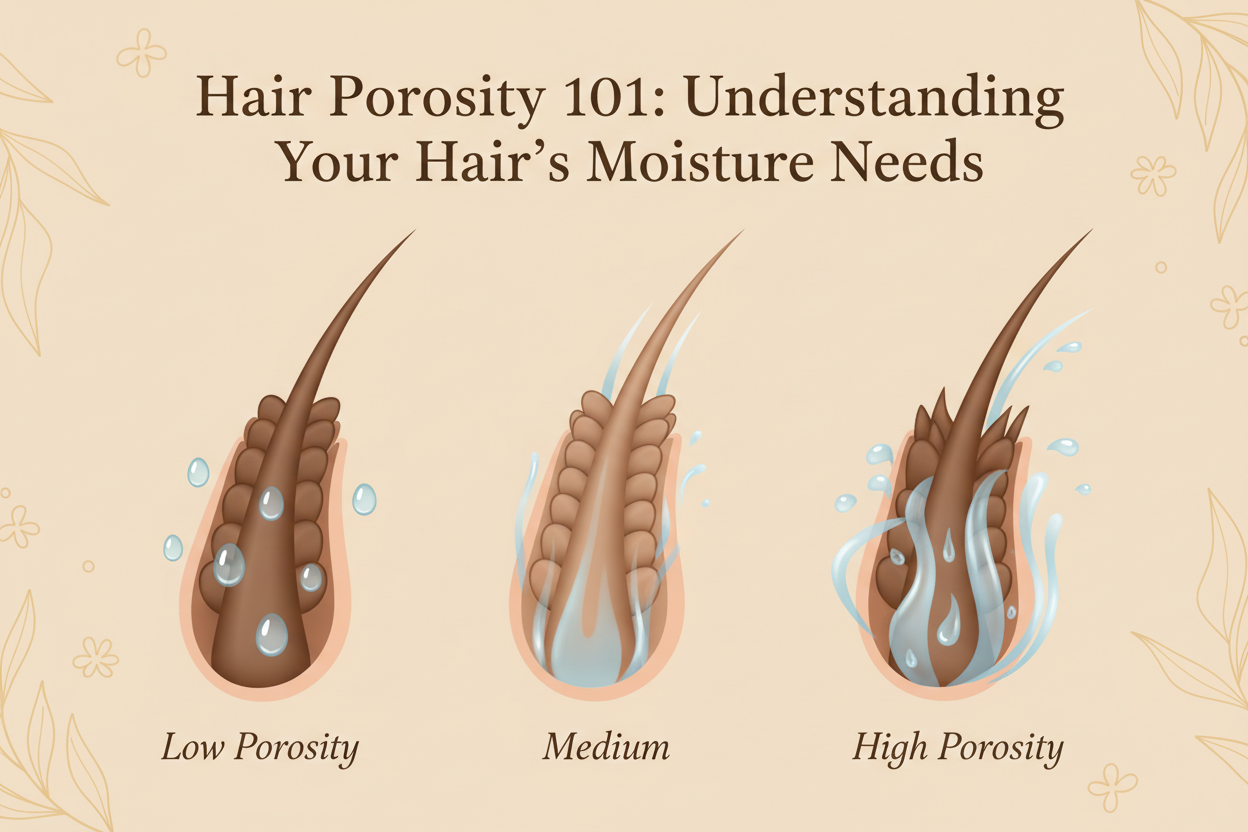
Low porosity hair is defined by the structure of its cuticle layer. The cuticles are tightly packed and lie flat, creating a barrier that resists moisture entry. While this structure protects the hair from damage, it also makes hydration more challenging.
Because of this tightly sealed layer, water, oils, and conditioning agents struggle to penetrate the hair shaft. However, once moisture does get inside, it tends to stay locked in for longer periods. This dual nature is what makes low porosity hair both resilient and difficult to manage.
Another important factor is how this hair type interacts with products. Instead of absorbing creams and oils, the hair often experiences buildup, which can make it feel heavy, greasy, or coated. This is why choosing the right products is crucial in any low porosity hair care routine.
How to Know If You Have Low Porosity Hair
Identifying your hair type is the first step toward effective care. While professional analysis is an option, there are simple ways to understand your hair at home.
One of the most common methods is observing how your hair reacts to water. If it takes a long time to get fully wet in the shower, this is a strong indication of low porosity. Similarly, if your hair takes hours to air dry, it suggests that moisture isn’t easily moving in and out of the hair shaft.
Another clear sign is product behavior. If conditioners, oils, or styling creams tend to sit on your hair instead of being absorbed, leaving behind residue, your hair likely falls into the low porosity category.
Understanding these signs helps you build a more effective low porosity hair care strategy instead of relying on trial and error.
Why Moisture Feels Like a Challenge
One of the biggest frustrations with low porosity hair is dryness. Even after conditioning or applying oils, the hair can still feel rough or brittle. This happens not because your hair lacks moisture, but because it struggles to absorb it.
When moisture cannot enter the hair shaft, it remains on the surface, eventually evaporating without providing real hydration. This is why simply adding more products does not solve the problem—in fact, it often makes things worse.
The key is not just applying moisture, but ensuring that your hair is in a state where it can actually receive it. This concept lies at the heart of effective low porosity hair care.
The Role of Heat in Hair Hydration
Heat is one of the most powerful tools for managing low porosity hair. Since the cuticles are tightly closed, applying gentle heat helps to lift them slightly, allowing moisture and nutrients to penetrate.
This doesn’t mean exposing your hair to damaging high temperatures. Instead, controlled and moderate heat—such as steam, warm towels, or hooded dryers—can make a significant difference in how your hair responds to treatments.
For example, when deep conditioning, using heat allows the product to move beyond the surface and nourish the inner layers of the hair. Without heat, even the best conditioner may not deliver its full benefits.
Incorporating heat into your routine is a game-changer for anyone serious about improving their low porosity hair care results.
Choosing the Right Products Matters More Than You Think
When it comes to low porosity hair, product selection can make or break your routine. Heavy products tend to sit on the hair, creating buildup and blocking moisture from entering.
Lightweight formulations are far more effective. These include water-based leave-ins, light oils like argan or jojoba, and conditioners that are easily absorbed. Ingredients like glycerin and aloe vera can help attract moisture without overwhelming the hair.
It’s also important to be cautious with protein. While protein treatments are beneficial for some hair types, low porosity hair can become stiff and brittle if exposed to too much protein.
A balanced approach to product selection ensures that your low porosity hair care routine remains effective without causing additional issues.
Building an Effective Hair Care Routine

Creating a routine that works for low porosity hair requires consistency and simplicity. Instead of using too many products, focus on techniques that enhance absorption and hydration.
Start with a gentle cleansing routine that removes buildup without stripping natural oils. Follow this with a deep conditioning session, ideally with heat, to maximize moisture penetration.
After conditioning, apply a lightweight leave-in product to maintain hydration throughout the day. Sealing with a small amount of oil can help lock in moisture, but it’s important not to overdo it.
This structured yet flexible approach forms the backbone of successful low porosity hair care.
A Simple Weekly Routine for Better Results
| Day | Routine Focus | Key Benefit |
|---|---|---|
| Monday | Gentle cleansing | Removes buildup |
| Wednesday | Light moisturizing | Maintains hydration |
| Friday | Deep conditioning + heat | Enhances moisture absorption |
| Sunday | Scalp care & refresh | Promotes healthy growth |
This routine provides a balanced approach without overwhelming your hair with too many treatments.
Common Mistakes That Hold You Back
One of the most common mistakes people make is using too many heavy products. This leads to buildup, which further blocks moisture from entering the hair.
Another mistake is skipping clarifying treatments. Over time, residue from products accumulates, making it even harder for moisture to penetrate. Regular clarification helps reset your hair and improve its responsiveness.
Ignoring the role of heat is another missed opportunity. Without heat, many treatments remain ineffective, leaving you wondering why your hair isn’t improving.
Avoiding these mistakes can significantly improve your overall low porosity hair care experience.
Styling Low Porosity Hair Without Damage
Styling can be a challenge when your hair resists moisture. However, choosing the right techniques can make a big difference.
Lightweight styling products work best, as they won’t weigh the hair down. Protective styles such as braids or buns help retain moisture and reduce manipulation.
It’s also important to avoid excessive heat styling. While heat is useful for conditioning, frequent use of high heat tools can lead to damage over time.
A thoughtful approach to styling ensures that your low porosity hair care routine supports both health and appearance.
Natural Remedies That Actually Work
Many people prefer natural solutions, and fortunately, there are several options that work well for low porosity hair.
Aloe vera is known for its lightweight hydration and ability to soothe the scalp. Honey acts as a natural humectant, drawing moisture into the hair.
Apple cider vinegar rinses are particularly useful for removing buildup and restoring balance to the scalp. When used occasionally, they can enhance the effectiveness of your routine.
These remedies can complement your low porosity hair care practices without adding unnecessary complexity.
Quick Tips for Instant Improvement
✔ Always apply products on damp hair for better absorption
✔ Use heat during deep conditioning to open cuticles
✔ Stick to lightweight, water-based products
✔ Clarify your hair regularly to remove buildup
✔ Avoid overloading your hair with oils and creams
Seasonal Adjustments for Healthy Hair
Your hair’s needs can change with the seasons. During colder months, the air tends to be dry, which can make it harder to retain moisture. In such cases, focus on sealing hydration effectively.
In warmer months, lighter products and frequent cleansing can help prevent buildup caused by sweat and environmental factors.
Adapting your routine ensures that your low porosity hair care approach remains effective throughout the year.
Long-Term Benefits of Proper Hair Care
When you consistently follow a routine tailored to your hair type, the results become noticeable over time. Your hair becomes softer, more manageable, and less prone to breakage.
You’ll also find that styling becomes easier, as your hair responds better to products and techniques. Perhaps most importantly, you gain confidence in understanding and caring for your hair.
These long-term benefits highlight the importance of committing to a proper low porosity hair care routine.
FAQs About Low Porosity Hair
What is the best way to moisturize low porosity hair?
The best method is to apply products on damp hair and use heat during conditioning to improve absorption.
How often should I clarify my hair?
Clarifying once every 2–4 weeks is ideal to remove buildup and restore balance.
Can I use oils on low porosity hair?
Yes, but only lightweight oils in small amounts to avoid buildup.
Why does my hair feel greasy but still dry?
This happens when products sit on the surface without being absorbed, a common issue with low porosity hair.
Is heat necessary for conditioning?
While not mandatory, heat significantly improves the effectiveness of conditioning treatments.
Conclusion: Transform Your Hair with the Right Approach
Caring for low porosity hair may seem challenging at first, but it becomes much easier once you understand what your hair truly needs. The key lies in focusing on absorption rather than just application.
By using lightweight products, incorporating heat, and maintaining a consistent routine, you can overcome common challenges like dryness and buildup. Over time, your hair will become more responsive, healthier, and easier to manage.
Remember, successful low porosity hair care is not about using more products—it’s about using the right techniques. Stay consistent, be patient, and your hair will reward you with strength, shine, and vitality.