

Introduction
Hair is more than just a physical feature—it reflects your overall health, lifestyle, and self-care habits. Everyone dreams of having strong, shiny, and manageable hair, but achieving it requires consistency, patience, and the right knowledge. The good news is that you don’t need expensive salon treatments or complicated routines to get there.
In this in-depth guide, we’ll explore practical, easy-to-follow hair care tips that can transform your hair health over time. Whether your hair is dry, oily, curly, straight, or damaged, these insights will help you build a routine that suits your needs.
Understanding Hair Structure and Why Care Matters
Before diving into routines, it’s essential to understand what your hair actually is. Each strand is made of a protein called keratin and consists of three layers—the cuticle, cortex, and medulla. The outer layer, known as the cuticle, plays a vital role in determining how shiny or dull your hair appears.
When the cuticle is smooth and intact, your hair reflects light, giving it a healthy shine. However, damage caused by heat, chemicals, or environmental factors can lift the cuticle, making hair look frizzy and lifeless. This is why following proper hair care tips is not just about appearance but also about maintaining the integrity of your hair structure.
Know Your Hair Type for Better Results
Every hair type has unique needs, and understanding yours can make a huge difference in how effective your routine is.
Straight Hair
Straight hair tends to get oily faster because natural oils travel easily down the shaft. It often requires lightweight products that won’t weigh it down.
Wavy Hair
Wavy hair falls somewhere between straight and curly, making it prone to frizz and dryness. It benefits from balanced hydration and gentle styling.
Curly Hair
Curly hair is naturally dry because oils struggle to travel through the twists. It requires intense moisture and careful handling.
Coily Hair
Coily hair is the most delicate and needs deep hydration and protection. It is more prone to breakage and shrinkage.
Understanding your hair type allows you to apply the right hair care tips without wasting time on ineffective solutions.
Daily Hair Care Habits That Make a Difference
Consistency is the foundation of healthy hair. Simple daily habits can significantly improve your hair’s condition over time.
Gentle Detangling Is Key
Start your day by detangling your hair gently using a wide-tooth comb or your fingers. Always begin at the ends and work your way up to prevent unnecessary breakage.
Rough brushing can weaken the strands and cause split ends. Being gentle ensures that your hair remains strong and manageable.
Avoid Excessive Touching
Constantly touching your hair transfers dirt and oil from your hands to your scalp. This can make your hair greasy and dull.
Keeping your hands away from your hair is one of the simplest yet most overlooked hair care tips that can keep your hair cleaner for longer.
Protect Your Hair from Environmental Damage
Dust, pollution, and UV rays can damage your hair over time. Wearing a scarf or hat when stepping out can provide an extra layer of protection.
This habit is especially important if you live in areas with high pollution or strong sunlight.
Washing Your Hair the Right Way
Hair washing might seem straightforward, but doing it incorrectly can lead to dryness, frizz, or scalp issues.
Choosing the Right Shampoo
Your shampoo should match your scalp type rather than your hair length. If you have an oily scalp, go for a clarifying shampoo. For dry scalps, choose a moisturizing formula.
Using the wrong shampoo can disrupt your scalp’s natural balance, leading to more problems.
Proper Washing Technique
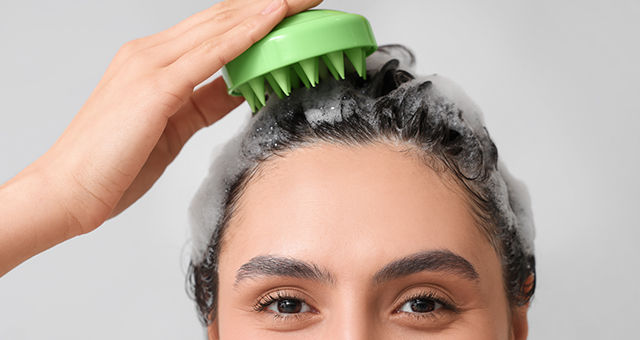
Apply shampoo mainly to your scalp and gently massage it using your fingertips. Avoid using your nails, as this can cause irritation.
Let the shampoo cleanse the lengths of your hair as you rinse, instead of scrubbing them harshly.
Conditioning Matters
Conditioner should be applied to the mid-lengths and ends of your hair. Avoid the scalp unless the product specifically states otherwise.
This helps lock in moisture and keeps your hair smooth and manageable.
Following these washing-related hair care tips can instantly improve your hair texture.
Deep Nourishment Through Weekly Care
Daily care is important, but weekly treatments provide deeper nourishment that your hair needs.
Hair Oiling for Strength
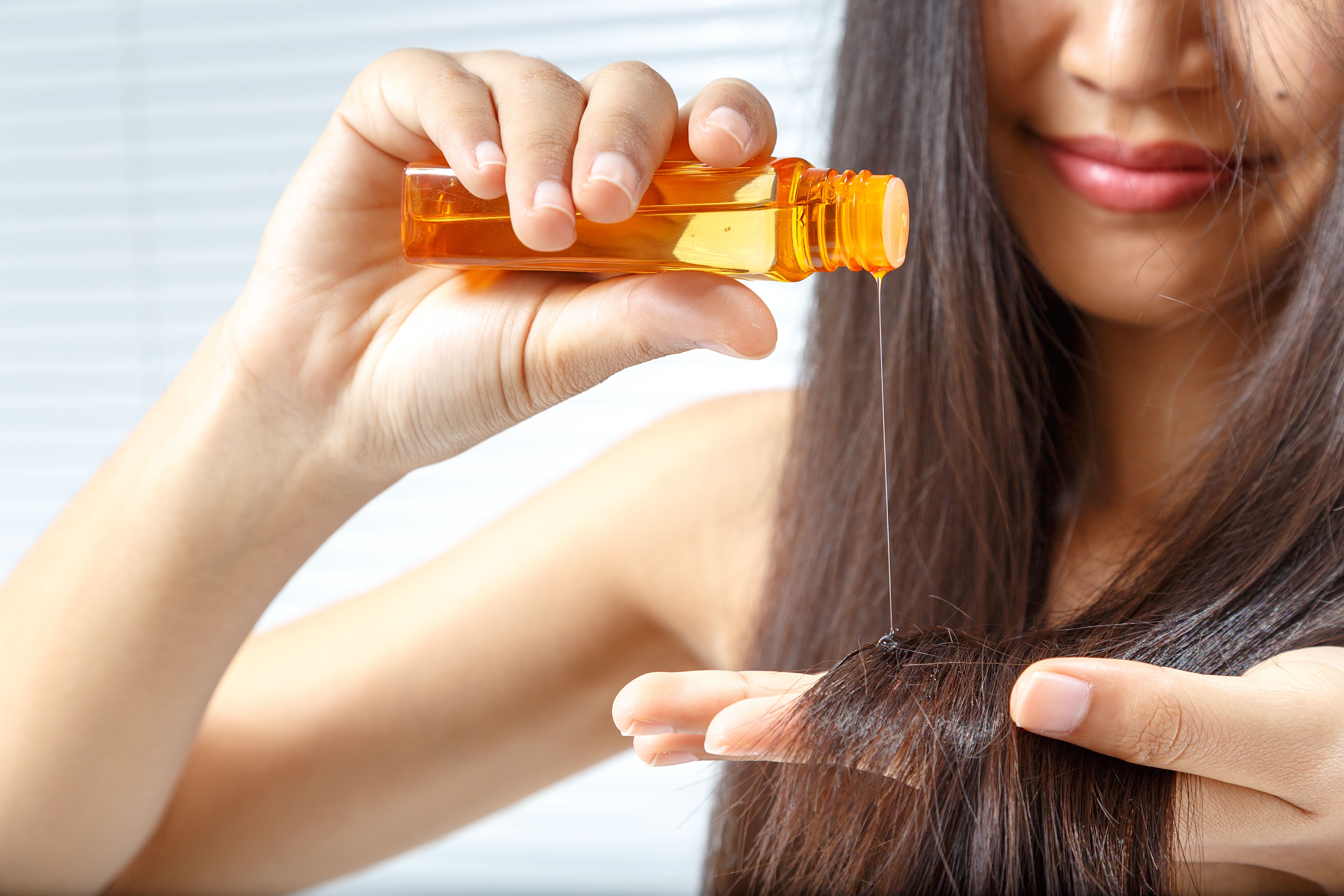
Oiling your hair once or twice a week can improve blood circulation and strengthen the roots. Oils like coconut, almond, and argan are excellent choices.
Massage the oil gently into your scalp and leave it on for at least an hour before washing.
Hair Masks for Repair
Hair masks provide intense hydration and repair damage caused by heat and styling. You can use store-bought masks or natural ingredients like yogurt and aloe vera.
Applying a mask once a week can restore softness and shine.
Scalp Care Is Essential
A healthy scalp is the foundation of healthy hair. Regularly exfoliating your scalp removes buildup and promotes better growth.
These nourishing hair care tips ensure that your hair gets the care it needs beyond daily maintenance.
Natural Ingredients That Work Wonders
Nature offers powerful solutions for hair care without harmful side effects.
Coconut Oil
Coconut oil penetrates deep into the hair shaft, providing long-lasting hydration and reducing protein loss.
Aloe Vera
Aloe vera soothes the scalp, reduces dandruff, and promotes healthy hair growth.
Eggs
Rich in protein, eggs help strengthen weak and brittle hair, making them a great addition to DIY hair masks.
Yogurt
Yogurt adds shine and smoothness while helping control frizz.
Using natural remedies is one of the safest and most effective hair care tips for long-term results.
Nutrition: The Foundation of Healthy Hair
What you eat plays a crucial role in the health of your hair. External care alone is not enough if your body lacks essential nutrients.
Protein Intake
Hair is primarily made of protein, so including protein-rich foods like eggs, lentils, and nuts is essential.
Vitamins and Minerals
Vitamins such as A, C, D, and E, along with iron and zinc, support hair growth and prevent hair fall.
Hydration
Drinking enough water keeps your scalp hydrated and prevents dryness.
These internal hair care tips ensure your hair grows stronger from within.
Common Mistakes That Damage Hair
Even with the best intentions, certain habits can harm your hair.
Overusing Heat Tools
Frequent use of straighteners, curlers, and blow dryers can weaken your hair and cause breakage.
Tight Hairstyles
Styles like tight ponytails and braids can put stress on your roots, leading to hair fall.
Skipping Conditioner
Skipping conditioner can leave your hair dry and prone to tangling.
Avoiding these mistakes is just as important as following the right hair care tips.
Hair Care Routine Comparison Table
| Routine Step | Daily Care | Weekly Care | Monthly Care |
|---|---|---|---|
| Cleansing | Light washing (if needed) | Deep cleansing | Clarifying shampoo |
| Conditioning | Regular conditioner | Deep conditioning mask | Repair treatments |
| Scalp Care | Gentle brushing | Oil massage | Scalp exfoliation |
| Maintenance | Protect from damage | Trim small split ends | Full trim and evaluation |
Seasonal Adjustments for Better Hair Health
Your hair’s needs change with the seasons, and adjusting your routine can help maintain its health.
Summer Care
Exposure to sun and sweat can damage your hair. Washing more frequently and using protective coverings can help.
Winter Care
Cold weather can make your hair dry and brittle. Using heavier oils and hydrating masks can combat this.
Monsoon Care
Humidity can cause frizz and scalp infections. Keeping your scalp clean is crucial during this season.
Adapting your routine based on weather is one of the smartest hair care tips you can follow.
Quick Highlights for Better SEO
Best Practices for Healthy Hair:
- Wash your hair 2–3 times a week
- Use conditioner regularly
- Avoid excessive heat styling
- Maintain a balanced diet
- Trim your hair every 6–8 weeks
FAQs About Hair Care
How often should I oil my hair?
Oiling your hair once or twice a week is usually enough to maintain hydration and strength.
Can I wash my hair daily?
Daily washing is not recommended unless you have an extremely oily scalp.
What causes hair fall the most?
Hair fall can be caused by stress, poor diet, hormonal changes, and improper hair care routines.
Are natural remedies better than chemical products?
Natural remedies are generally safer, but the effectiveness depends on your hair type and needs.
How long does it take to see results?
With consistent care, you can start noticing improvements within a few weeks.
Conclusion: Build a Routine and Stay Consistent
Achieving healthy, beautiful hair is not about quick fixes—it’s about building a routine that works for you and sticking to it. By understanding your hair type, adopting healthy habits, and avoiding common mistakes, you can transform your hair over time.
Start with small changes, such as improving your washing technique or incorporating weekly oiling. Gradually, these habits will become part of your lifestyle, leading to stronger, shinier, and healthier hair.
Remember, consistency is key. Follow these proven methods, stay patient, and your hair will reflect the care you invest in it.