

Introduction
Healthy, beautiful hair doesn’t happen by accident—it’s the result of a consistent hair care routine for women. From choosing the right products to protecting hair from damage, every step matters. Understanding your hair type, incorporating proper nutrition, and following simple daily and weekly practices can dramatically improve hair strength, shine, and texture.
Whether your hair is straight, wavy, curly, or coily, a thoughtful routine ensures that it remains healthy despite heat styling, chemical treatments, and environmental stressors. This guide will take you through every step of an effective hair care routine for women, helping you achieve your hair goals naturally.
Understanding Your Hair Type
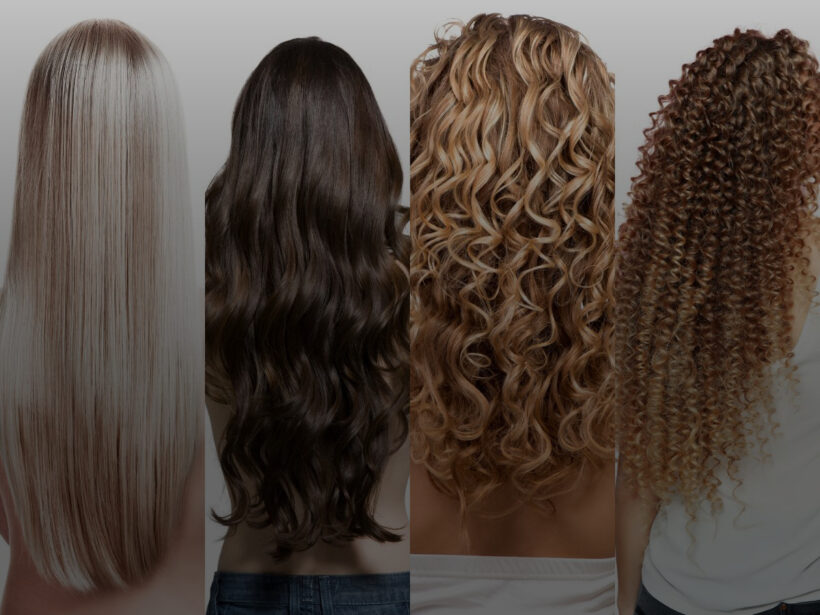
Before building a hair care routine for women, it’s crucial to identify your hair type. Different hair textures and scalp conditions require different care.
Straight Hair: Usually oilier at the roots and smooth in texture, straight hair benefits from lightweight shampoos and conditioners. Daily care should focus on maintaining shine and preventing limpness.
Wavy Hair: Often frizz-prone, wavy hair requires hydration and smoothing products. A balance between moisture and light styling products keeps waves defined without looking greasy.
Curly Hair: Curly hair is naturally drier due to the twists in the hair shaft, which prevent oils from traveling down easily. Deep conditioning and gentle detangling are key to preventing breakage.
Coily/Kinky Hair: This hair type is fragile and highly prone to dryness. Moisturizing and protective styles, along with minimal heat exposure, ensure longevity and growth.
Identifying your hair type allows you to select products and practices that address your hair’s unique needs. Without this understanding, even the best products may fail to produce results.
Daily Hair Care Routine for Women
A consistent daily routine is the backbone of hair health. Small, mindful habits each day yield long-term benefits.
Gentle Cleansing
Cleansing removes dirt, sweat, and excess oil while preparing hair for conditioning. Use a sulfate-free shampoo suitable for your hair type.
- Wash your hair with lukewarm water to retain natural oils.
- Avoid scrubbing the scalp harshly, as it can cause irritation and hair fall.
- Adjust the frequency based on scalp oiliness—2–3 times a week for dry hair and every day for oily hair.
Conditioning
Conditioners restore moisture and reduce tangles, making hair easier to manage.
- Focus on mid-lengths and ends rather than roots.
- A leave-in conditioner can provide all-day hydration and frizz control.
- Conditioning after every wash keeps hair soft, manageable, and shiny.
Scalp Care
Healthy hair begins with a healthy scalp. Daily scalp massages stimulate blood circulation, which encourages hair growth.
- Massage with fingertips for 5–10 minutes using gentle, circular motions.
- Incorporate essential oils like rosemary or peppermint for added stimulation.
- Keep the scalp clean but avoid over-washing, which strips natural oils.
Protecting Hair
Hair is constantly exposed to environmental stressors such as UV rays, pollution, and heat. Protection is critical to maintaining strength and shine.
- Always use a heat protectant before styling.
- Limit the use of high-heat styling tools such as straighteners and curling irons.
- Cover your hair in extreme sun or cold weather conditions to prevent damage.
Weekly Hair Care Routine
Daily care maintains hair, but weekly treatments provide the deep nourishment that prevents long-term damage.
Hair Masks
Weekly hair masks restore moisture and repair damage. Choose masks based on your hair needs:
- Hydrating Masks: Ideal for dry hair, these replenish lost moisture.
- Protein Masks: Strengthen weak or chemically treated hair.
Apply masks from mid-lengths to ends and leave for 20–30 minutes before rinsing. Consistency is key for long-lasting results.
Scalp Exfoliation
Exfoliating your scalp once a week removes dead skin cells and promotes healthy follicle function.
- Use a gentle scalp scrub or a sugar-oil mixture.
- Massage lightly to improve circulation and remove buildup.
- Follow with a moisturizing treatment to maintain scalp health.
Hot Oil Treatments
Hot oil treatments help nourish dry or damaged hair and improve elasticity.
- Warm oils like coconut, argan, almond, or jojoba before applying.
- Massage gently into the scalp and hair for 15–20 minutes.
- Cover with a warm towel for deep penetration before washing.
Styling Without Damage
Styling can be both fun and damaging if not done carefully. Here’s how to protect hair while achieving your favorite looks:
| Styling Method | Pros | Cons | Frequency |
|---|---|---|---|
| Air Drying | No heat damage | Takes longer | Daily/As needed |
| Blow Dry (Low Heat) | Quick and voluminous | Can dry out hair | 1–2 times per week |
| Straighteners | Sleek, polished look | Heat damage risk | Occasional use |
| Braids & Buns | Protects ends from friction | Tight styles may cause tension | Regular but gentle |
Pro Tip: Avoid hairstyles that pull at roots, as this can lead to breakage and thinning. Protective styles such as loose braids or buns reduce friction and maintain hair health.
Nutrition and Hair Health

Hair care is incomplete without proper nutrition. Hair reflects your overall health, and deficiencies can lead to hair loss, brittleness, and dullness.
- Proteins: Hair is primarily protein (keratin), so include eggs, fish, and legumes in your diet.
- Vitamins: Vitamins A, C, D, and E aid in hair growth and scalp health.
- Minerals: Iron, zinc, and selenium prevent hair fall and support follicle function.
- Hydration: Drink at least 2 liters of water daily to keep hair hydrated from within.
A diet rich in these nutrients complements your external hair care routine, ensuring stronger, healthier hair.
Night-Time Hair Care
How you treat your hair overnight affects its strength and shine.
- Silk or Satin Pillowcase: Reduces friction and frizz compared to cotton.
- Loose Braids: Prevent tangling and breakage while sleeping.
- Light Leave-In Serum: Keeps hair moisturized and protected from overnight dryness.
Nighttime care may seem minor, but these habits prevent unnecessary breakage and split ends.
Common Hair Care Mistakes to Avoid
Even a perfect routine can fail if you unknowingly follow harmful practices.
- Over-washing, which strips natural oils.
- Using high-heat tools excessively without protection.
- Skipping regular trims, leading to split ends.
- Applying products on a dirty or oily scalp.
- Ignoring sun, pollution, and chemical exposure.
Awareness of these mistakes ensures your hair care routine for women remains effective.
DIY Hair Treatments
Homemade hair masks and treatments are natural, gentle, and highly effective:
- Coconut Oil Mask: Moisturizes dry hair deeply and prevents frizz.
- Egg and Yogurt Mask: Provides protein and shine while strengthening strands.
- Aloe Vera Gel: Soothes the scalp, reduces dandruff, and improves hair texture.
- Honey and Olive Oil Mask: Restores moisture and softens rough, dry hair.
Always perform a patch test before trying new ingredients to prevent allergies.
Hair Care Products Worth Considering
Choosing the right products enhances your hair care routine for women.
- Shampoos: Sulfate-free, moisturizing, or clarifying based on your hair needs.
- Conditioners: Leave-in or rinse-off options that add hydration and smoothness.
- Hair Serums: Control frizz, protect from heat, and add shine.
- Masks and Treatments: Weekly deep care for hydration or repair.
Selecting products according to your hair type and specific needs is crucial for long-term results.
Advanced Tips for Specific Hair Types
Curly Hair: Use wide-tooth combs to detangle. Avoid harsh shampoos.
Wavy Hair: Apply curl-enhancing products on damp hair.
Straight Hair: Lightweight conditioners maintain volume and shine.
Chemically Treated Hair: Deep condition regularly and avoid excessive heat.
Tailoring your routine to your hair type maximizes health and appearance.
FAQs About Hair Care Routine for Women
Q1: How often should women wash their hair?
A1: 2–3 times a week for dry hair; daily for oily hair. Over-washing can strip natural oils.
Q2: Are hair oils necessary?
A2: Yes, they nourish hair, reduce breakage, and enhance shine.
Q3: Can diet affect hair health?
A3: Absolutely. Protein, vitamins, minerals, and hydration play a key role.
Q4: How to prevent split ends?
A4: Regular trims, conditioning, and avoiding excessive heat prevent split ends.
Q5: Is it okay to use heat styling tools daily?
A5: Frequent use damages hair. Apply heat protectant and limit styling to occasional use.
Q6: Does scalp massage help hair growth?
A6: Yes, it improves blood circulation and strengthens hair follicles.
Q7: Can DIY masks replace commercial products?
A7: They complement routines, but for specific issues like protein deficiency, professional products may help.
Conclusion
A consistent hair care routine for women requires understanding your hair type, daily and weekly care, proper nutrition, and protection from damage. Gentle cleansing, conditioning, scalp care, mindful styling, and protective nighttime habits ensure long-term hair health.
By following these steps, your hair can become stronger, shinier, and more resilient naturally. Remember, patience and consistency are key. Start your hair care journey today, and enjoy the confidence of healthy, beautiful hair.
Read More:-Master Your Locks with a Complete Hair Care Routine Guide